What beginner photographers get wrong
Updated: Apr 20
Most beginner photographers believe their biggest problem is the camera they own. They’ll blame blurry photos on not having the right lens, or they assume their photos don’t look “professional” enough because they don’t have the most expensive gear. But in most cases, that’s entirely false - it’s how the gear they have is being used. A lot of the mistakes that are made aren’t obvious, which is why they keep repeating themselves without even realizing it.
To better understand where beginner photographers go wrong, I interviewed photography professor Denis Kelly to get a better insight into the most common habits that hold students back. From focusing on too much gear to overlooking the basic techniques, these mistakes can slow progress and make photography more complicated than it needs to be.

Franklin College Photography Professor, Denis Kelly
One of the biggest mistakes a new photographer can make is overcomplicating everything. Instead of learning a few core skills and building from there, many people try to master everything at once. This often leads to the beginner becoming overwhelmed, frustrated, and inconsistent.
Dennis Kelly: Beginners tend to get ahead of themselves. They try to do too much before they really understand the basics.
Another mistake is relying too much on automatic modes without understanding what the camera is actually doing. Don’t get me wrong, automatic settings can be good for some things, but they don’t teach photographers how to control their shots. Beginners may get some decent shots, but they often struggle to recreate those results consistently. Learning the basics of manual settings can give photographers more confidence, along with more control.

Taking the time to understand the camera is a very important step in becoming a better photographer. Every camera is different, and without knowing how to navigate settings, adjust focus, or change key features quickly, photographers can miss moments or settle for shots that don’t match what they had in mind. Many people rely on guesswork instead of intentionally adjusting their camera to fit the situation. Taking the time to explore your camera, read the manual, and practice with its settings can make a huge difference.

When you understand how your camera works, you’re able to shoot with more confidence, adapt to different environments, and capture images the way you actually envision them.
Dennis Kelly: Become really comfortable with how your camera works. To the point where your hands know what to do. You should be able to adjust settings without even thinking about it.
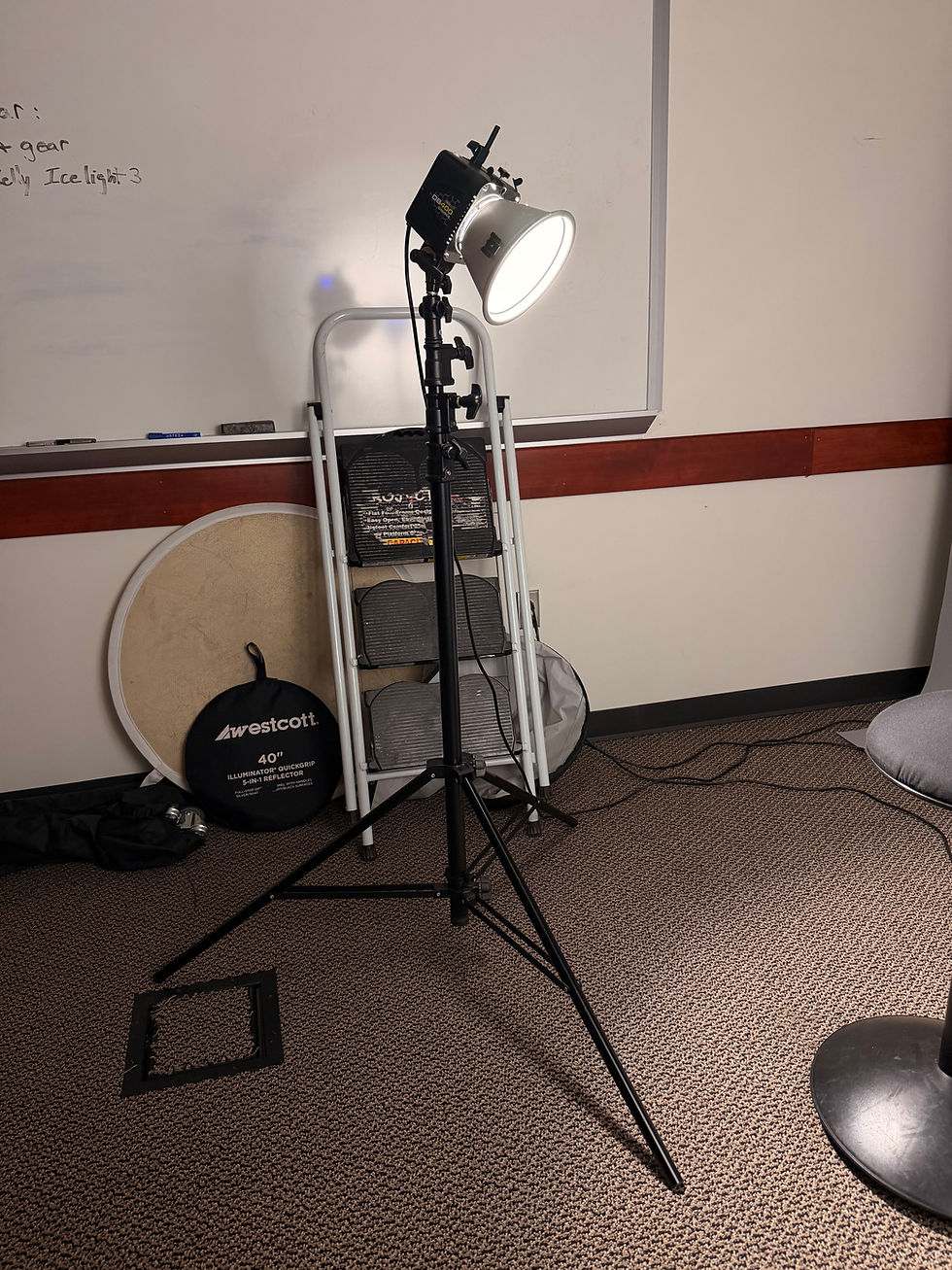
Lighting is another area that newer photographers can often underestimate. Many people take photos without considering how the lighting of the room affects the image. The photo can look way too bright or even way too dark sometimes. Harsh lighting, shadows, and even shooting at the wrong time of day can make a good subject look displeasing.
Dennis Kelly: Lighting can make or break a photo. You might have a great subject, but if the lighting isn’t right, the image won’t work.
Many beginners expect instant results, and that isn’t the case. They could get lucky with a shot or two, but if they don’t know the basics, they shouldn’t be worrying about the more intricate things.
If the photos don’t turn out the way they were intended to, don’t get discouraged. Photography isn’t as easy as it seems. Any new skill will take some time to master. I’ve been behind the camera for four years, and I’m still learning new things. You just have to stay patient, stay consistent, learn from your mistakes, and keep experimenting. Don't be afraid to take a bad photo. That’s how you learn.


Comments